Safety Matters August 2021
 The H&S Dept
COVID-19 safety-Spotlight on ventilation
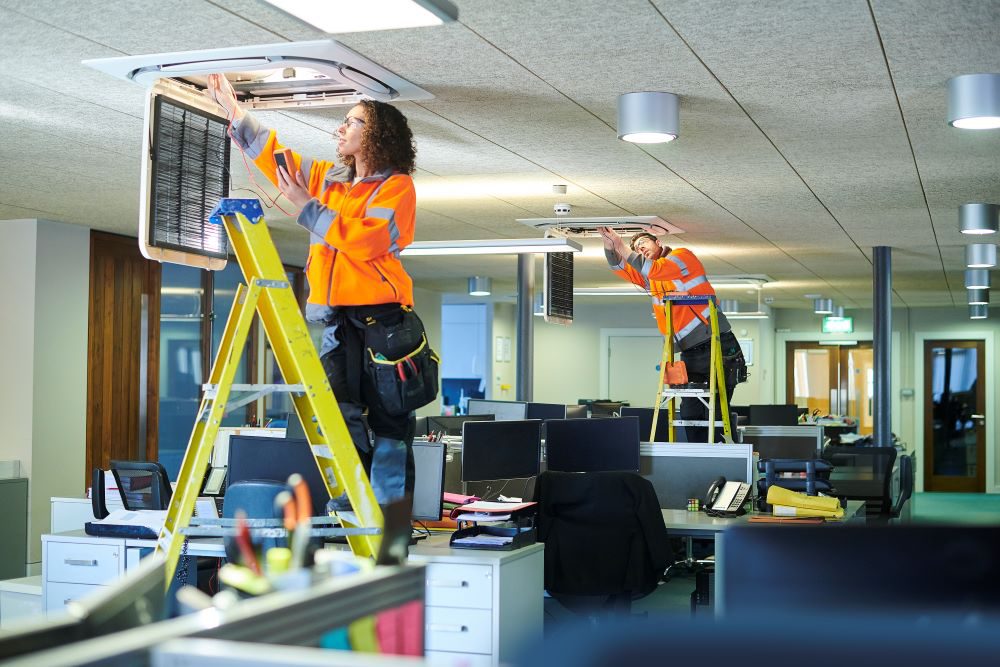
Although mandatory COVID-19 safety measures have now been lifted in England (face coverings are still required in some settings in Scotland and Wales), the government provides detailed suggestions on steps which can be taken to reduce COVID-19 transmission in the workplace. Of course, there is still overarching health and safety law which sets out legal obligation to keep workers safe too.
Many COVID-19 safety steps will be second nature by now – regular cleaning of communal areas, turning people away if they have symptoms, but there is one aspect of recommended COVID-19 safety that has become increasingly prominent – ventilation.
The law has always required employers to provide adequate ventilation. Since the pandemic, this has become even more important.
The main way of spreading COVID-19 is through:
- Close contact with an infected person;
- When someone with COVID-19 breathes, speaks, coughs or sneezes, they release particles (droplets and aerosols) containing the virus that causes COVID-19. These particles can be breathed in by another person.
Social distancing and cleaning can help to reduce droplet and contact transmission, but adequate ventilation is the only way to defend against aerosol transmission.
When thinking about your workplace you will be able to identify two types of ventilation which may be present – natural and mechanical. Natural ventilation is the air that circulates through open doors and windows. Mechanical ventilation refers to fans and ducts that bring in air from outside or recirculated air. In most cases, natural air circulation will be enough to ventilate an indoor space.
Look around and see if you can identify any poorly ventilated areas. Things to watch out for include:
- Communal areas with no open windows or doors.
- Mechanical ventilation systems that only recirculate indoor air rather than bringing in fresh air from outside.
- Parts of the building that feel stuffy or have a bad smell.
CO2 monitors are a good way to gauge ventilation on an ongoing basis.
Also take into account the nature of the space. Larger rooms may require less ventilation because aerosol droplets have more room to disperse. Rooms that are frequently crowded or are home to strenuous activity will need more ventilation. Remember to include non-working areas such as changing rooms and canteens.
If you identify that ventilation needs to be improved, there are several simple actions to try before considering any more costly installations. Natural ventilation can be improved by –
- Opening doors and windows during the day (excluding fire doors).
- Allowing staff to wear extra clothing in winter so that windows can be left open.
- “Purging” unoccupied rooms by opening all doors and windows.
You can improve the efficiency of mechanical ventilation systems by making sure that all equipment is regularly inspected and properly maintained. In addition to this, adjust your system to maximise fresh air intake and prevent recirculation of air.
For advice on ventilation or any other aspect of COVID-19 safety, contact your local H&S Dept.
Pain in the neck!
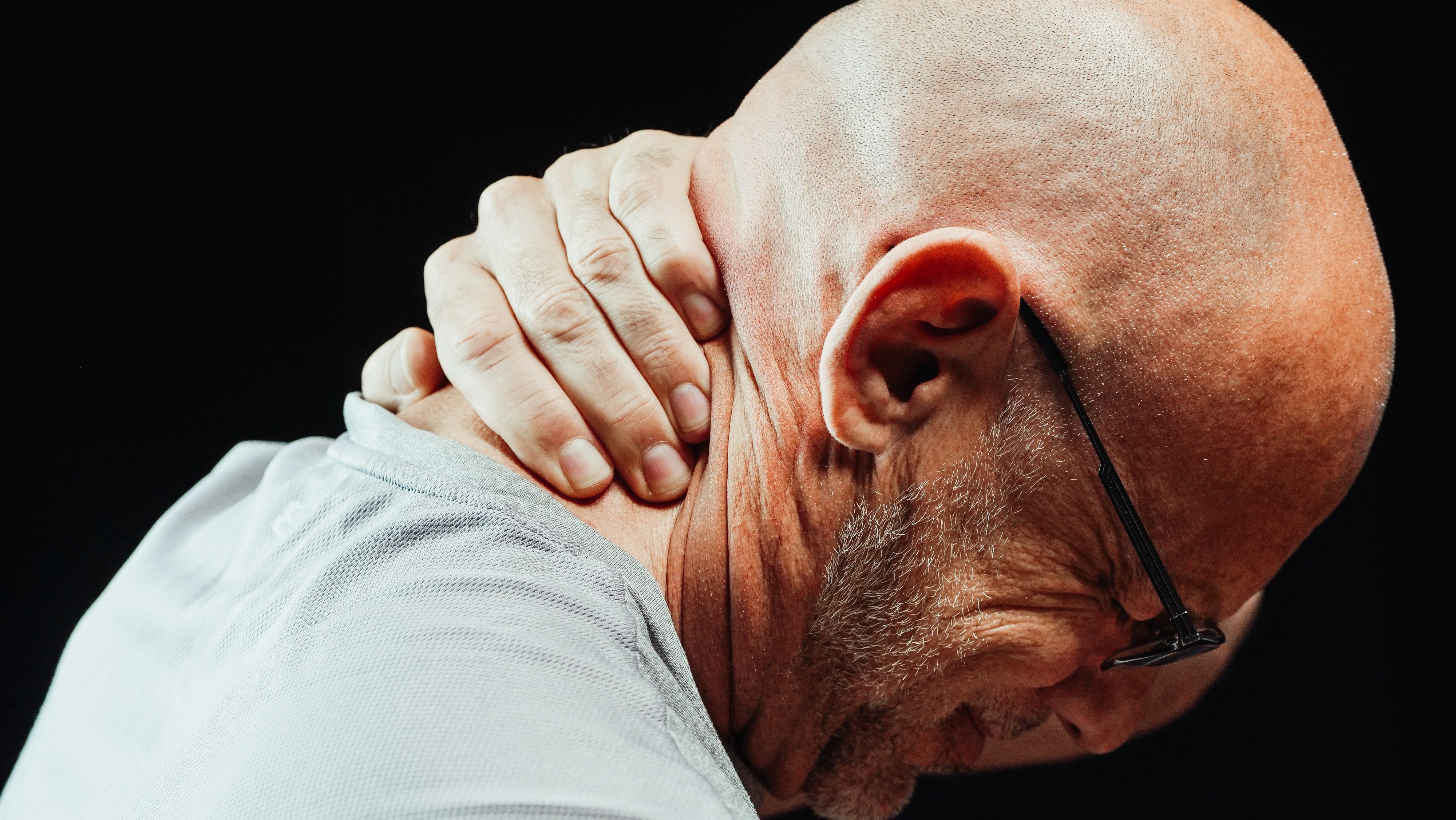
Musculoskeletal disorders (MSDs) such as back pain and arthritis affect almost 19 million people in the UK. They are also a leading cause of poor health in the workplace, accounting for 30% of all work-related illness and 27% of sick days.
Employees working in physically demanding industries such as construction are at particular risk. These sectors are covered by specific legislation, such as The Control of Vibration at Work Regulations. These make it the duty of employers to limit the damage caused by long-term exposure to vibrations from vehicles, machinery or hand tools.
For most businesses though, the risks will be less specific. MSDs thrive in an office environment. Many injuries are caused by lifting and carrying objects incorrectly. The Manual Handling Operations Regulations require you to carry out a risk assessment on all manual handling tasks that could cause injury. You can also offer manual handling training to show your employees the safest way to perform manual tasks.
Poor posture is another major cause of MSDs. The Health and Safety (Display Screen Equipment) Regulations require you to carry out a DSE assessment on all workstations and provide training to staff on correct posture. You could also consider purchasing an ergonomic chair, keyboard or mouse if an employee is complaining of discomfort due to a medical condition confirmed by their GP.
Workplace fatalities up
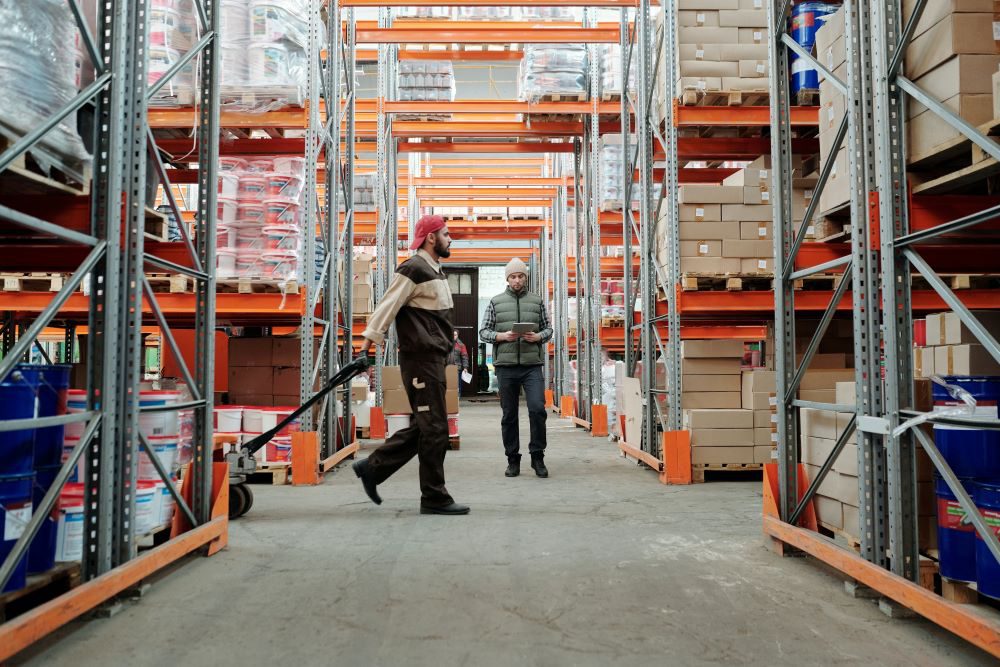
The HSE has just published its annual figures on workplace fatalities. A total of 142 workers were killed in the twelve months leading up to March 2021, sadly an increase of 29 compared with fatalities in the previous year. It is worth noting that deaths in 2019/20 were unusually low. The impact of multiple lockdowns, sudden changes in working practices and factors like the furlough scheme in 2020/21 also makes it difficult to compare this year to others.
Unsurprisingly, the mortality rate is much higher in certain industries. As in previous years, construction, forestry and manufacturing accounted for the majority of deaths. This also explains the most common causes of death – falls from height and accidents involving vehicles.
However, this does not mean that other employers have nothing to worry about. Last year there were 11 deaths of those working in administrative or support roles, an increase of three from the previous year. Without going into the details of these deaths, we can say that consistently following good health and safety practice will reduce the likelihood of a serious accident in the office.
Regular risk assessments are vital and must be reviewed on a regular basis e.g. on an annual basis. In these, you should pay particular attention to tripping hazards and heavy objects stored above head-height. You should also make sure that fire safety training is up to date, and that fire exits are unobstructed.
It is worth noting that older employees are disproportionately vulnerable to workplace injuries. Well prepared risk assessments will always reflect the need to identify and protect vulnerable people.
Cross-border H&S in the UK
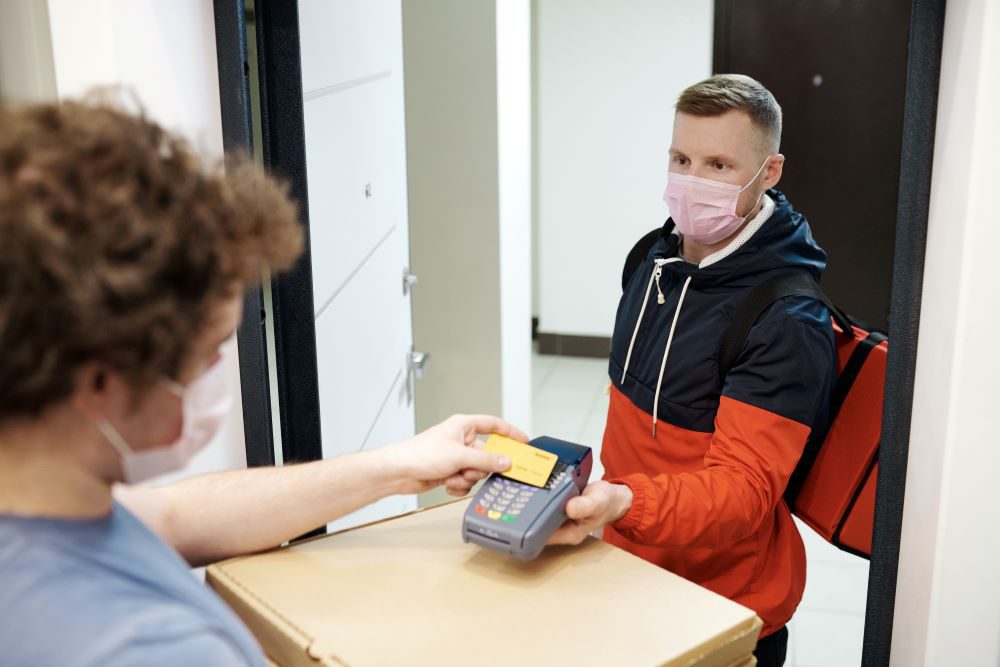
COVID-19 safety guidelines are being relaxed across the UK, but each nation is taking a slightly different approach. Facemasks are a good example. With a few exceptions, masks are no longer compulsory in England. However, they are still a legal requirement in Scotland and in some settings in Wales.
There are also specific variations when it comes to workplace health and safety. All UK employers are required to carry out a COVID-19 risk assessment, but each nation has published its own guidelines. If you operate in more than one nation, be aware that official advice may differ.
Of course, this is nothing new. National variations in health and safety law have long occurred. For example, Scottish fire safety legislation has been distinct from the rest of the UK since the introduction of the Fire (Scotland) Act 2005.
If you operate across more than one country in the UK and you want to ensure your health and safety policy is compliant in each nation, contact your local H&S Dept.
Mythbusters: summer edition

Last month’s heatwave may have been a bit much for some, but there’s still plenty of summer left to enjoy. As the country enjoys large outdoor celebrations for the first time in months, we thought we’d take a look at some seasonal attempts to scapegoat health and safety legislation.
Leaning lampposts
In a previous summer, a borough council celebrated the Tour De France by hanging 20,000 knitted jerseys on lampposts. It was asked to remove the jerseys by the county council, who claimed that they were compromising the structural integrity of the lampposts. It turned out that the problem was not the jerseys themselves, but the wire used to attach them. So an alternative display method would allow the jerseys to be displayed without health and safety cancelling the celebration.
Brolly bother
In another unusual turn of events, concertgoers were told that they couldn’t bring umbrellas to an outdoor performance “for health and safety reasons”. The idea that umbrellas are too dangerous in an outdoor setting is ridiculous. After all, the outdoors is what they’re designed for! The real issue was a concern that those at the front would obscure everyone else’s view. Surely “No umbrellas in the front row” might have been a better rule…?


