Safety Matters – August 2025
 The H&S Dept
Lithium-ion battery fire risk

Lithium-ion batteries are found in many rechargeable electrical devices such as smart phones, laptops and power tools. It is likely that you have them somewhere in your workplace. An insurance company has recently conducted research into the fire risks posed by lithium-ion batteries and the figures highlight the importance of safety when using and storing them.
Between 2022 to 2024 the number of fires from lithium-ion batteries leapt 93%. On average, the fire service in the UK is responding to three lithium-ion battery caused fires each day. What can you do to minimise this risk?
As well as ensuring you only use certified devices from verified sellers, you should:
- Inspect batteries routinely for any damage – damaged batteries should be disposed of safely via professionals.
- Store batteries in fire-proof, well-ventilated areas with proper spacing between devices.
- Charge during business hours with approved chargers only.
- In case of fire or overheating do not use fire extinguishers. Instead evacuate and call emergency services.
- Ensure you have an emergency response plan in place and train all staff on their safety and procedures in an emergency.
The Health & Safety Dept is of course on hand if your business needs support in working safely with lithium-ion batteries. We can check and advise where necessary that your workplace has safe working practices with applicable devices. We can also develop emergency response plans and provide staff training to make sure your business is prepared.
Safety design thinking
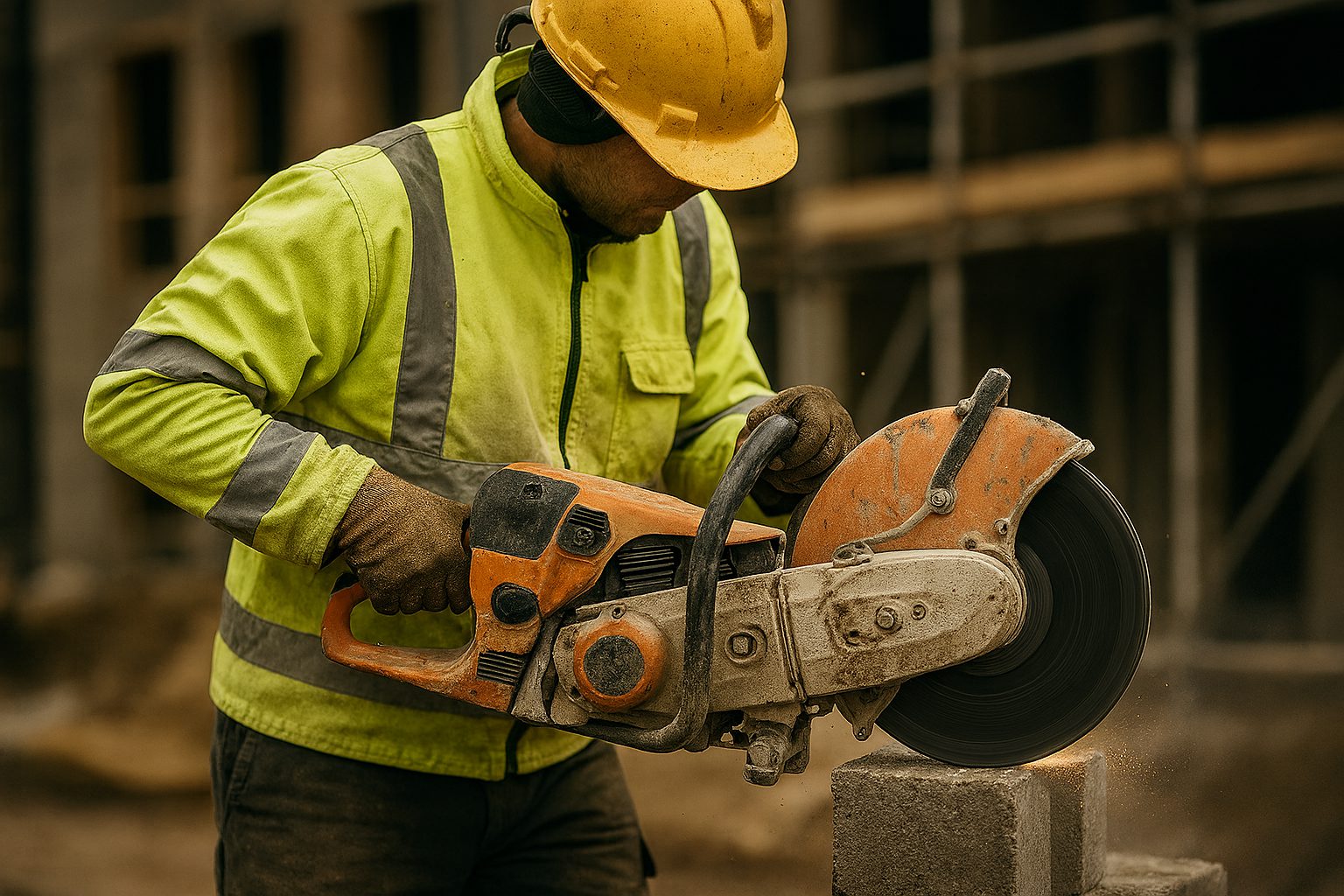
Is it easy for people to remain safe within your business? Or at the very least easy for them to follow the safest path?
When health and safety interventions are too complex or feel unnatural to those that have to work with them, the danger is that shortcuts are taken, and it undermines the health and safety measures put in place.
One review of industrial accidents found that nearly 90% were caused by unsafe acts carried out by people (2% were unavoidable and the remainder were caused by unsafe machinery).
To ensure your safe systems of work are followed, ensure they do not have unnecessary complexities which, in practice, are side-stepped. Workers may get away with it for a time, but sooner or later an accident will happen.
If you are unsure, we can come in with a fresh perspective to see how safe systems of work are being followed in practice and advise on changes where necessary. Contact us today to get started.
The self-employed are more at risk from death at work
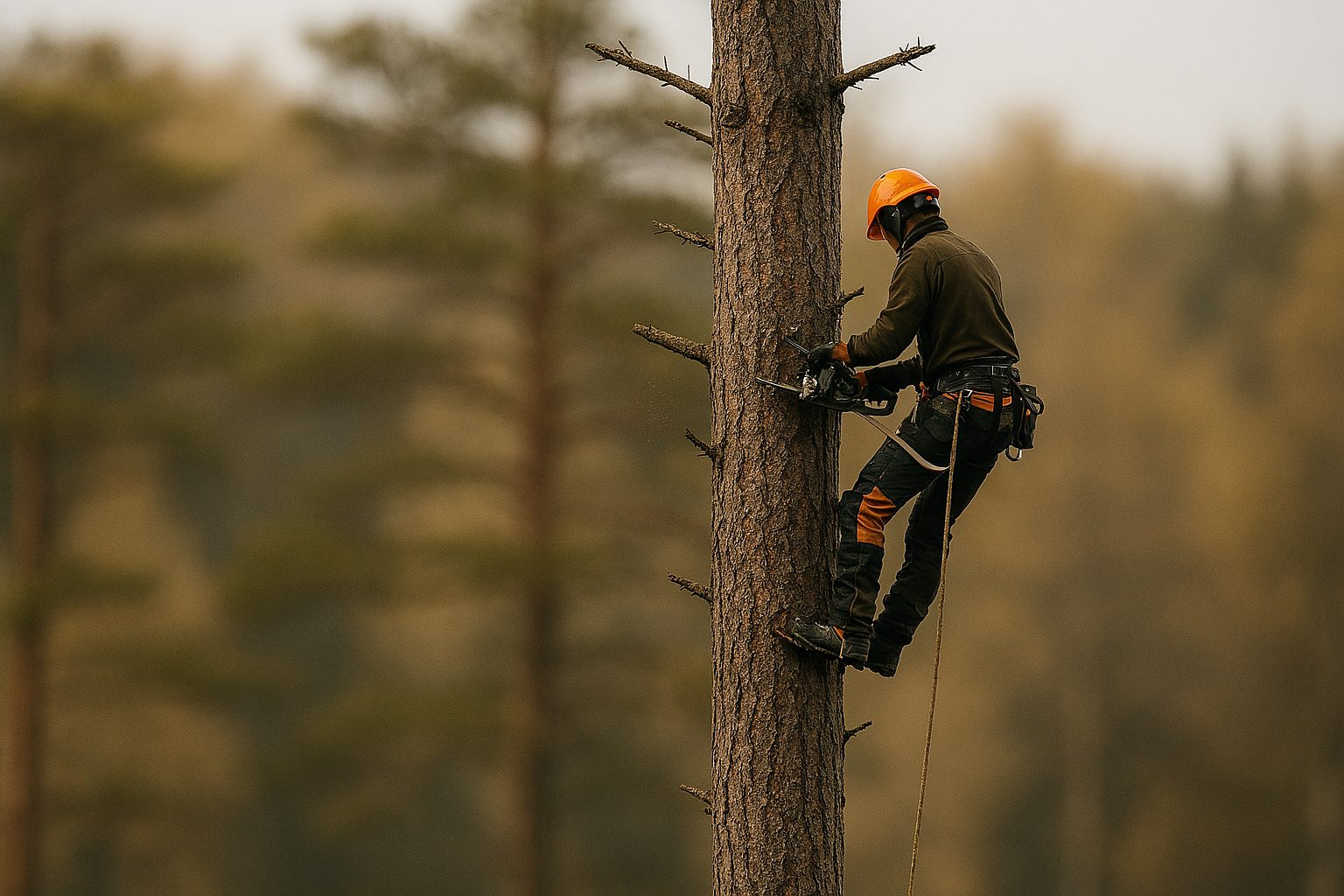
The Health and Safety Executive’s (HSE) recently published fatalities statistics for Great Britain, highlight that whilst the self-employed make up about 15% of the workforce, they account for 40% of fatalities.
The highest industry for fatality rates is agriculture, forestry and fishing, where the rate of fatality is double that of their employed counterparts. In the administrative and support services, the self-employed are roughly three times more likely to be killed at work than their employed equivalents.
Health and safety law will be applicable to you if you are self-employed both for your own protection and the protection of others. This could include the use of chemicals (e.g. a hairdresser using bleaching products), excessive noise, production of dust or fumes or any equipment that may cause harm.
The Health and Safety at Work etc Act 1974 (HSWA) is the foundation of this, and there will be other specific laws too, based on the activities you perform in your role.
Just as for other businesses, risk assessments, training and safe systems of work are a standard protocol in managing these risks.
What about if you are a business which hires self-employed workers? A contractor is anyone you ask to do work for you who is not an employee. There are some questions you can ask potential contractors to ascertain their suitability for the job.
- Do they have any independent assessment of their competence?
- Are they members of a trade association or professional body?
- Will they be producing a safety method statement for the job? Whilst not required by law this will identify all risks and their control measures, giving you an indication that they work safely to eliminate or minimise the harm to themselves and others.
As an employer you should already have risk assessments. Ensure your assessment covers risks to contractors from your business, such as chemicals or on-site vehicles. The contractor should then assess these risks that apply to them and together you must consider any risks from each other’s work that could affect the health and safety of the workforce or anyone else.
If you are self-employed, or you hire contractors in your business, then we can provide support to ensure the safest working practices for all involved. Whether it is risk assessments, method statements, safe systems of work or training, contact us today to find out more.
Equipment maintenance
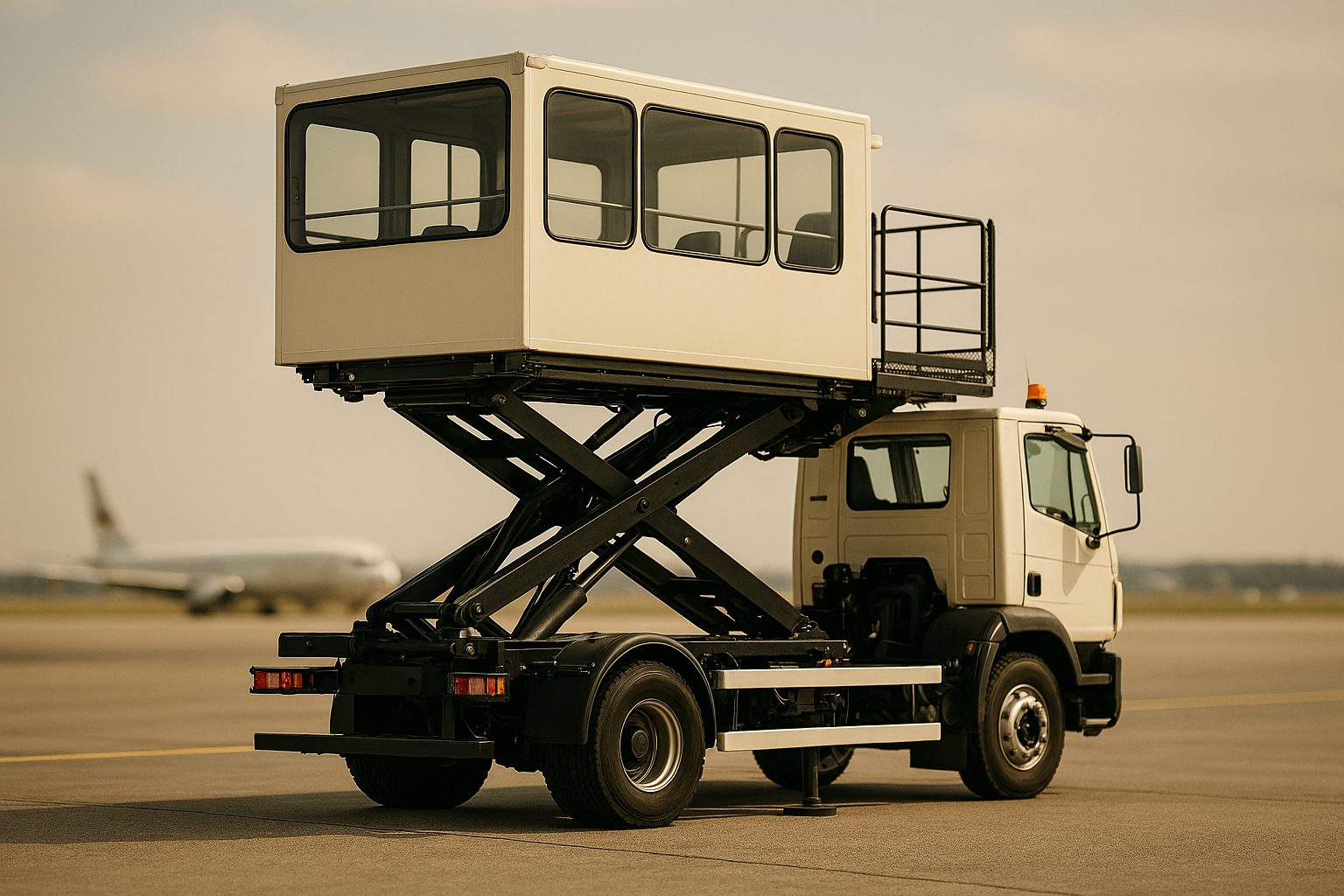
The HSE has recently successfully prosecuted Edinburgh Airport following the death of a pensioner who died after falling from an Ambulift. This piece of equipment is designed to lower people with mobility issues from the aircraft door to the ground, without the need for steps etc.
In this instance the equipment was not safe, and sadly a returning holidaymaker fell through a misaligned handrail to the ground, sustaining injuries that he later died from. Following an HSE investigation the airport pled guilty to breaching the Provision and Use of Work Equipment Regulations 1998 and Section 33(1)(c) of the HSWA. The company was fined £80,000 as a result.
The Provision and Use of Work Equipment Regulations 1998 requires every employer to ensure that work equipment is maintained in an efficient state, in efficient working order and in good repair. All equipment must be maintained so that its performance does not deteriorate to the extent that anyone is put at risk.
This incident sadly involved the fatality of a member of the public and those recent fatality statistics released by the HSE show that 92 members of the public died in workplaces last year. A stark reminder that health and safety in the workplace is not just for staff but for wider society too.
eLearning of the month: Working from height training

The latest HSE statistics shows that falls working at height remains the top cause of death in the workplace. So in this edition of Safety Matters we’re focusing on safety training that will introduce or refresh your workers on the safest working practices when it comes to working at height.
Our e-learning course for working at height is 45 minutes and is essential training for anyone working at height or managing those who do. Covering the basic principles for working safely at height along with the legal responsibilities for both the employer and the employee, it is designed to be the first step in health and safety training for working at height.
We have taken the foundations of what you need to know from the Working From Height Regulations 2005 and the best practice guidance from the HSE to create a comprehensive course for your staff to access. Click here to find out more about our eLearning courses or contact us today to discuss your needs.


