Safety Matters February 2022
 The H&S Dept
PPE laws are changing. Here’s what you need to know…
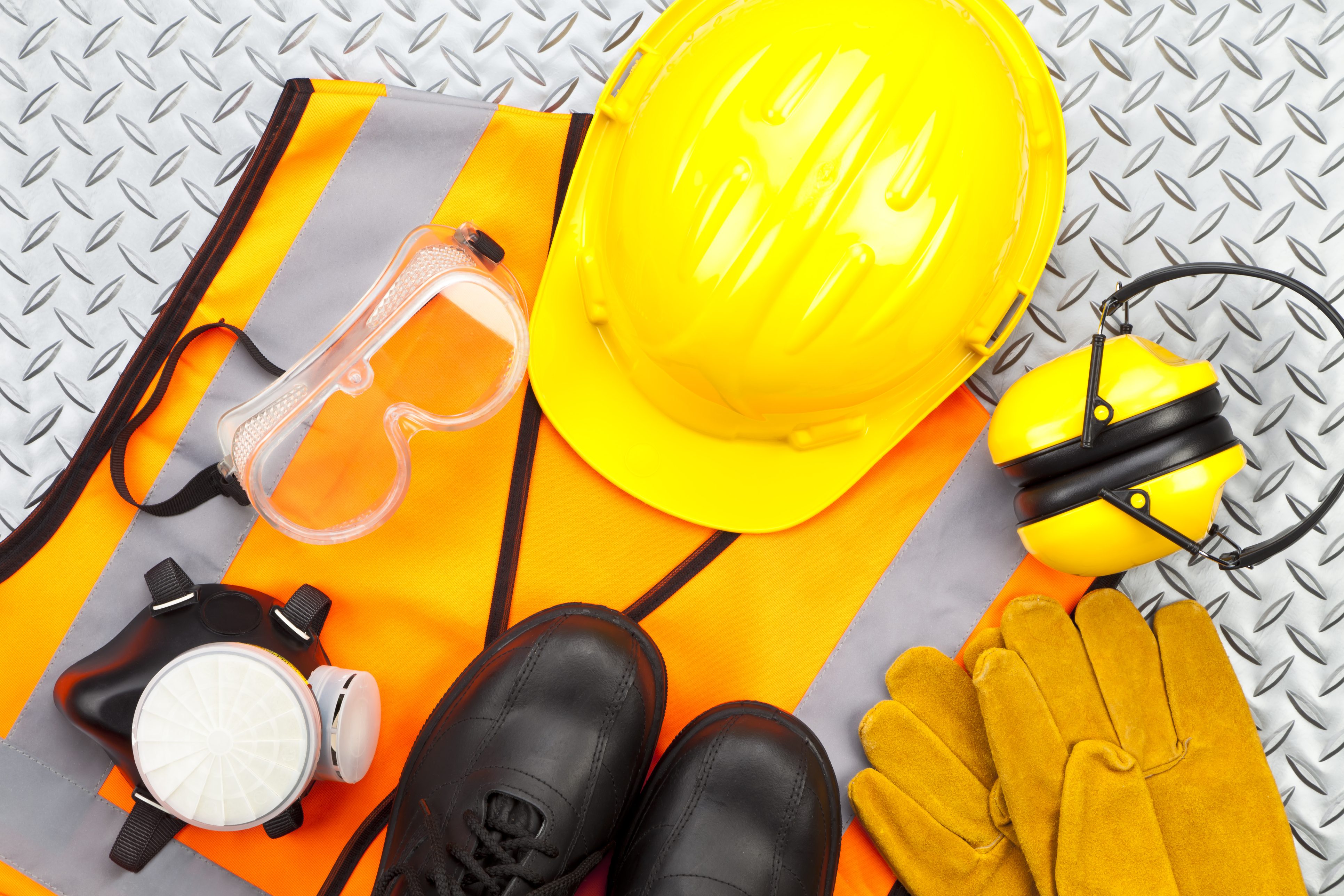
One of the side effects of the pandemic was an increased awareness of the importance of PPE in the workplace. There are already strict rules covering PPE, but these are changing in the coming weeks.
On 6th April, The Personal Protective Equipment at Work (Amendment) Regulations 2022 (PPER 2022) will come into force. This is an amendment to the existing law (PPER 1992), extending its coverage to a wider group of workers. Whether this change affects you or not, it’s a good opportunity to refresh your understanding of PPE legislation.
What is changing under the new law?
PPER 2022 does not change your responsibilities as an employer. It only changes application. Under the new amendment, your duty of care will be extended to include limb (b) workers.
The HSE defines a limb (b) worker as someone who is “registered as self-employed but provides a service as part of someone else’s business.” These workers may also be called dependent contractors. They are typically gig economy workers, employed through a third-party platform rather than a contract with your company. A good rule of thumb for spotting a limb (b) worker is that they usually carry out the work in person, and do not have the option of sending someone else in their place.
What are my responsibilities?
PPER makes it the duty of employers to provide PPE in any situation where there is a risk of physical harm, “even where engineering controls and safe systems of work have been applied”. Examples include:
- Hard hats to protect from falling debris
- Goggles to protect the eyes from dust or dangerous chemicals
- Masks to prevent the breathing of contaminated air
- Gloves to prevent contact with corrosive materials
- Ear plugs to dampen loud noises
The law sets out a number of guidelines for employers when providing PPE:
- PPE should only be used as a last resort (explore other ways to reduce or eliminate the risk first)
- PPE must be provided free of charge
- PPE must be CE or UKCA marked, and should be the correct size and weight for the user
- Staff should be trained to use PPE correctly, and to recognise any faults with their equipment
- Reusable PPE must be kept in good condition and inspected regularly
- Replacement PPE should be kept close at hand
If this raises any questions about your current PPE responsibilities or future ones, don’t hesitate to get in touch.
How new technology can improve health and safety
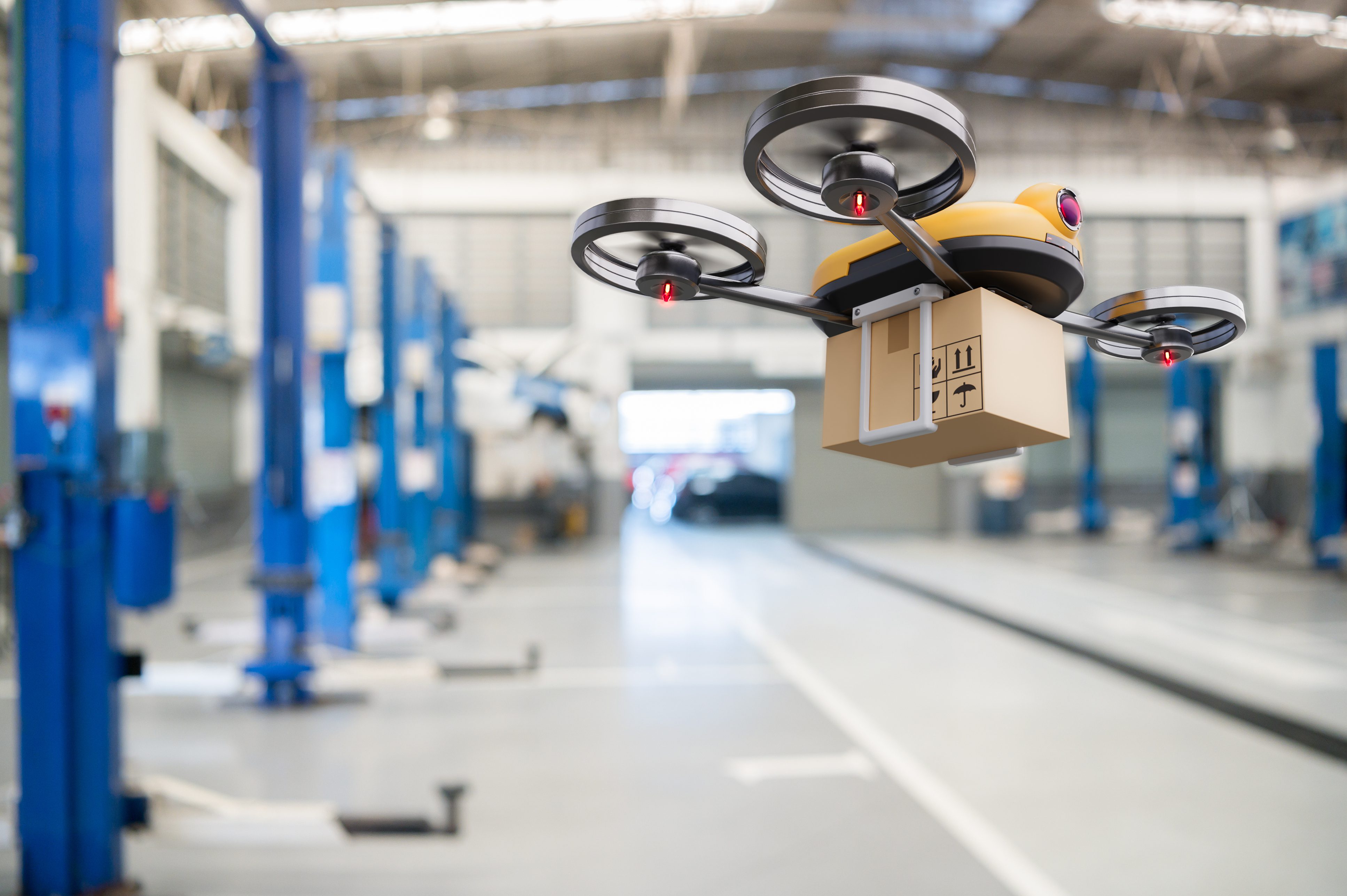
When we talk about technology in the workplace, our first reaction is often negative. Many of us associate modernisation with job losses, but this is only part of the story. Technology has a lot to offer, and this is especially true when it comes to health and safety.
Falls from height are still the most common cause of death in UK workplaces. In the near future, drones could be used to access certain dangerous areas. Not only would this protect workers from serious injury, it would also protect employers by helping ensure compliance with the Working at Height Regulations.
Lone workers are another vulnerable group that could be protected by new technology. Lone worker apps can be installed on employees’ phones, giving them access to GPS services. Wearable panic alarms can also be given to the most isolated or high-risk workers. These can monitor an employee’s breathing or heart rate, automatically calling for help if the user falls unconscious.
Technology can also help workers in more typical environments. Check-in technology was useful during the pandemic, as it allowed employers to keep track of remote workers. The same technology was also used for desk booking, helping to prevent overcrowding in the office.
Looking further ahead, we may see an increased use of artificial intelligence to improve safety. AI will be able to monitor the working environment and flag up new risks as soon as they appear. It could also help to enforce H&S rules, e.g. by only allowing workers into certain areas if they are wearing the necessary protective equipment.
It’s time to prioritise mental health in the construction industry

The suicide rate amongst construction workers is over three times higher than that of other occupations. Every day in the UK, two people working in construction die by suicide.
There are several suggested reasons behind this. 86% of construction workers are men, a group traditionally more reluctant to discuss their problems. There is also a culture of “banter” on many building sites, making workers afraid to show weakness for fear of ridicule.
The nature of the work itself may also be a factor. Extreme time pressure, a lack of job security and extended periods away from home can all contribute to poor mental health.
The issue is starting to be addressed. Several large contractors are now employing mental health first-aiders. Meanwhile, the Lighthouse Club charity has also launched a twenty-four-hour support service for construction workers struggling with their mental health.
If you would like to do more to support the mental health of your workers through your health and safety policies, please ask us.
What does the Building Safety Bill mean for you?

As you are probably aware, The Building Safety Bill is currently working its way through parliament. In England, it will create a new branch of HSE called the Building Safety Regulator. This will perform three main functions:
- Ensuring that buildings are safe
- Encouraging environmentally friendly building practices
- Implementing a new regulatory framework for high-rise buildings
The Act will only cover buildings classified as high rise. These are buildings that contain seven or more stories, or are more than 18 metres tall, which either contain two or more residential units, or have been designed or constructed as a hospital or care home.
If you own or operate a high-rise building, your responsibilities are likely to change. You will have to nominate an accountable person and a building safety manager. The accountable person is in charge of preventing risks such as fire, while the building safety manager will help with the everyday safety of the building. Either of these roles can be performed by an individual or an organisation.
You will also need to create a safety case report. This is a document that outlines your building’s fire and structural hazards, as well as the steps you are taking to mitigate them.
Give us a call if you’re unsure about any aspects of the new Act.
Myth busters: spring edition
Spring is on the way and animals are not alone in coming out of hibernation. After lying dormant all winter, some persistent health and safety myths may awaken. In the spirit of spring cleaning, here are a couple that need to be scrubbed away.
A host of trampled daffodils?
The parks department of a local council removed a set of wooden canes from a village green. The canes were designed to protect daffodil bulbs, but a member of the public complained that they could cause injury if somebody tripped. The HSE deemed this an overreaction. The risk of injury is far too low to be considered a health and safety issue, but the risk of daffodils being trampled is very real!
What a green waste!
In another case, a group of residents had transformed their street into a communal garden. The council initially praised the project, only to later demand it be removed for “health and safety” reasons. The real reason probably had something to do with highways law, but even here there is room for compromise. Rather than issuing a blanket ban on the garden, the council could have had a proper conversation with the residents about ways to preserve the garden without violating the law.


