Safety Matters – June 2024
 The H&S Dept
Thinking outside the box

Health and Safety is a serious, often process-driven business, but that doesn’t mean there’s no room for innovation. While it’s important to follow the rules, there are times when thinking creatively can make life safer for everyone.
Every year, HSE teams up with the Chartered Institute of Ergonomics and Human Factors (CIEHF) to present the Risk Reduction Through Design Award. This recognises the company that has most successfully reduced the risk of musculoskeletal injuries through inventive design choices. This year’s award went to Cranswick Gourmet Pastry for its “Hopper Topper”- a device that removes the need for manual lifting of buckets and trays during the pie-filling process.
Alongside the main winner, there was a new award for design innovation in smaller companies. This was presented to a Kent-based building contractor who used a handheld crane and tool balancer to reduce the effects of vibration on employee’s hands and arms during fencing installation.
This just goes to show that the latest safety innovation can come from anywhere. Keep your eyes open for opportunities to reduce the physical strain of regular workplace tasks, and don’t be afraid to ask your employees if they’ve come up with any tips or tricks. You might just stumble upon an award-winning idea!
Would you pass an HSE spot inspection?

As a business owner, an unannounced visit from the HSE may be quite a shock. While surprise inspections are rare, they are not unheard of. In 2022-23, HSE performed over 7,500 spot checks, some of which led to serious disciplinary action.
This is an area in which you can’t afford to be complacent. A recent survey of 2,000 UK employees found that 68% believed their workplace would fail a spot inspection. The biggest concern was record keeping relating to machinery, equipment and other company assets, with a full 50% of respondents stating that their employer wasn’t keeping or updating records in line with the law.
This is just one of many things that can let you down in the event of an inspection. If you’re unsure about record keeping, risk assessments, equipment maintenance or any other aspect of health and safety, don’t hesitate to get in touch. Better to let us help you get compliant, than have an HSE inspector uncover wrongdoing.
Leisure and hospitality – don’t take any chances this summer

If you work in leisure or hospitality, you’re probably gearing up for the summer rush. Seasonal customers are a great way to supplement your annual income, but busier periods can also create new safety risks. This was illustrated in dramatic fashion by a recent HSE prosecution.
A London-based fairground operator was fined over £50,000 after it failed to spot several faults with the seat restraint system on one of its rides. Sadly, this led to a 45-year-old woman being thrown from the ride and sustaining multiple fractures. The mother of eight spent four months in hospital following the incident, and is now unable to perform daily tasks and activities with her children.
The investigation also found that the ride operator had nobody assisting them on the day of the incident. This was a violation of the ride’s operation manual, which requires at least two people to monitor the ride at all times. This meant there was nobody to check seat restraint bars – a precaution that would probably have prevented the accident.
This is a prime example of a busy environment creating the temptation to cut corners.
The best way to prevent a similar incident is to plan ahead. Consider every additional risk that the summer months could bring and take the necessary steps to mitigate them. Examples include:
- Making sure that seasonal staff have received all of the necessary safety training. It’s especially important to ensure that new employees know the locations of first aid kits, fire extinguishers and any other emergency equipment.
- Inspecting equipment, especially if it hasn’t been used since the previous summer. Check outdoor tables and benches for loose nails, splinters or anything else that could cause injury.
- Performing PAT (portable appliance testing) on outdoor heaters and lighting in line with the Electricity at Work Regulations 1989. Make sure that the sockets for these devices can’t be accessed by the public, and that they are fitted with a residual current device.
These precautions will cover most traditional hospitality environments, but some will require extra measures. HSE has issued specific advice for farms opening their sites to visitors this summer. This includes fencing off areas that contain heavy machinery, using clear signs to keep visitors away from vehicles, and providing adequate handwashing facilities and separate eating areas.
If you have any questions about summer safety, now is the time to ask!
How to make your workplace allergy-safe this summer
In a nightmare scenario for the nation’s insect-haters, experts have confirmed that Asian Hornets have survived the British winter for the first time. While Asian Hornets pose no greater threat to humans than other hornet species, they do present a significant risk to the native bee population. An Asian hornet can eat up to 50 honeybees a day, potentially creating chaos in local ecosystems.
The chances of an Asian hornet finding its way into your workplace may be small, but bees and wasps are an inevitable part of the summer. Getting stung by an insect is never pleasant, but for some employees it can be extremely dangerous.
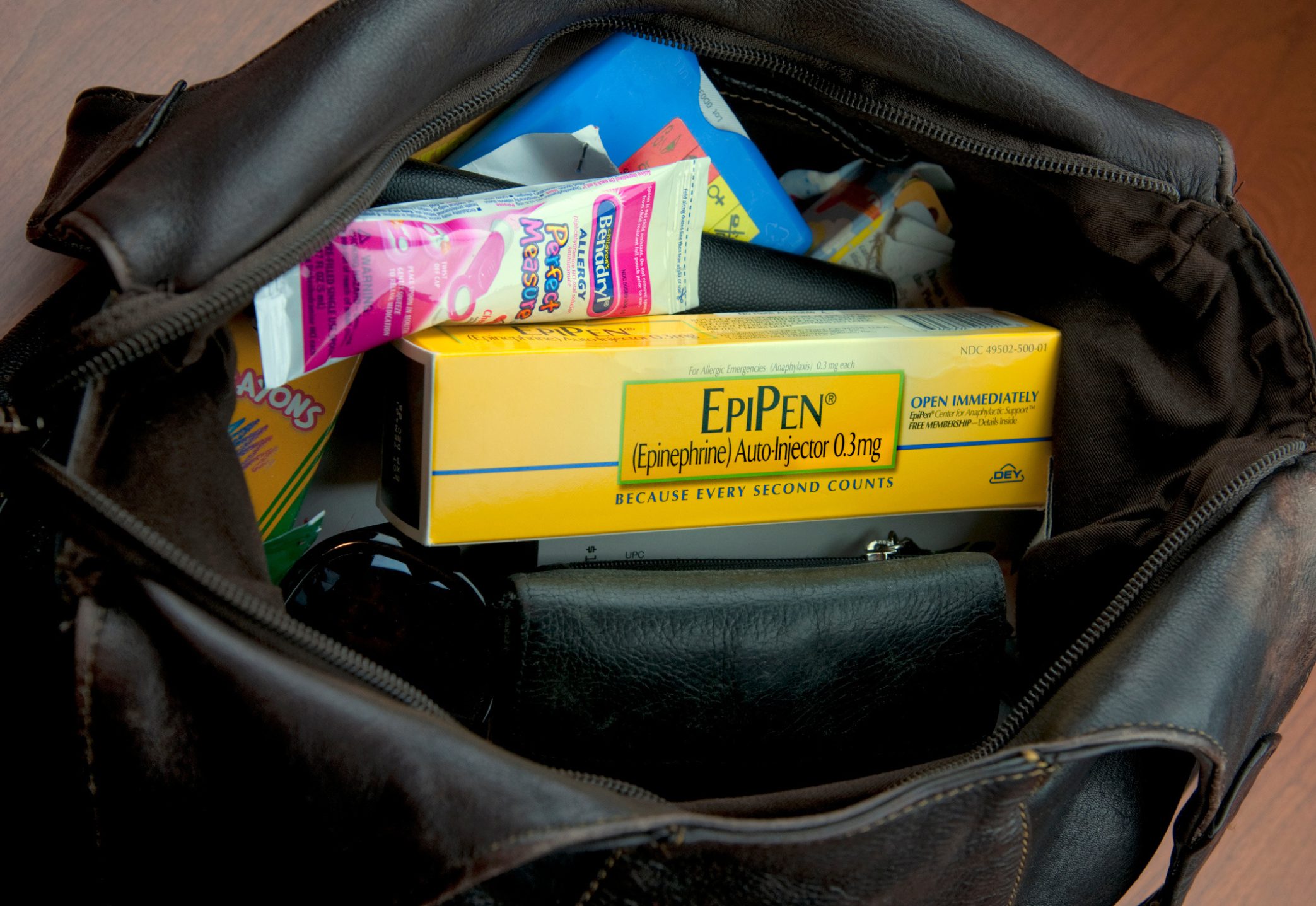
Around ten people die every year in the UK as a result of anaphylaxis caused by bee or wasp stings. Anaphylaxis can also be brought on by food allergies, causing a further ten deaths annually. Nut allergies can be especially severe, sometimes being triggered by touch as well as ingestion.
It’s the employee’s responsibility to take the necessary precautions such as carrying an EpiPen. However, you are also expected to take reasonable steps to accommodate allergy sufferers. These could include ensuring first aiders know how to react and where a colleague’s EpiPen is stored, asking employees not to eat nuts in communal areas and making sure that employees with allergies aren’t required to “hot-desk”.
As far as bees and wasps go, the best strategy is to empty bins regularly and avoid leaving food and drink uncovered.
Service of the month: Food hygiene

As every caterer knows, food hygiene is paramount. Maintaining the highest standards is a must, but this is sometimes easier said than done.
A kitchen is a high-pressure environment, and this can lead to best practices being overlooked. To make matters worse, high staff turnover can make it difficult to keep track of who has received the necessary training. It could be a disaster waiting to happen, but we’re here to help.
Our specialists can perform a thorough examination of your premises to identify every possible hygiene risk. We’ll then work with you to design a food safety management system (FSMS). This is a detailed plan that sets out the steps you need to take to reduce or remove these dangers.
We’ll also provide a Hazard Analysis Critical Control Points (HACCP) document. This identifies the critical points at which mistakes could occur, strategies for avoiding them and the best actions to take if they happen.
And don’t forget, we offer a wide range of eLearning modules, covering everything from allergy awareness to bar staff training. These can be completed in as little as 30 minutes, making it easier than ever to bring new recruits up to speed. Get in touch to find out more.


