Safety Matters October 2021
 The H&S Dept
Stay safe this autumn

After one of the warmest Septembers on record, autumn is well and truly here. With longer nights and colder, wetter days comes a familiar set of health and safety challenges. Here’s a reminder of some of the things to watch out for.
Slips and trips are the most common cause of major injury in UK workplaces, especially during colder months. Wet leaves can build up on paths and invisible patches of ice can form overnight. To make matters worse, the shorter days mean that employees often arrive and leave in the dark.
Preventing slips and trips is an ongoing process. You need to be vigilant about spotting hazards and removing them as quickly as possible:
- Ensure that there is sufficient lighting in outdoor spaces. It’s a good idea to walk the paths around your workplace at different times of the day. This allows you to spot any poorly lit areas.
- Keep an eye on weather forecasts. If temperatures are set to fall below freezing, be sure to take action promptly. Grit any pedestrianised areas the evening before a frost, the morning after and consider closing off treacherous paths.
- Work out a schedule for removing fallen leaves but as a last resort, you could call in a tree surgeon to cut back or remove foliage.
- Use slip-resistant materials when installing paved walkways. You could also fit a canopy over your entrance or upgrade the matting to stop it becoming slippery on rainy days.
Lone workers – The risk of working alone increases significantly when it’s dark. Are your lone working policies and procedures up to date? It is important that management know where lone workers are operating and that there are agreed systems for communication in place.
Technology can help to manage risk. If you have on-site security cameras make sure they are working and cover any isolated areas. Personal GPS trackers, alarms and safety devices are solutions to consider too. Don’t forget about low tech equipment like a torch, high-vis jacket or a whistle.
Driving– If you employ drivers or have staff that drive on company business, you should pay particular attention to their safety at this time of year. Longer hours of darkness and adverse weather present challenges. Make sure that all vehicles are in good condition and that they contain the right basic safety equipment.
Do your drivers require any refresher training for their driving duties? Do the schedules allow enough time for extra caution on the road?
COVID-19 – As we all now know, it is important to provide adequate ventilation to defend against the spread of COVID. This can be tricky in colder weather, as it may be uncomfortable to open windows. Nevertheless it is important, so consider cranking up the heating or relaxing your dress code so that staff can layer up.
Face masks and social distancing rules vary by nation and could change depending on the spread of the virus. Regular hand washing and cleaning of hard surfaces and touch points are key precautions which remain in place. Keep an eye on the latest official guidance to make sure you don’t get caught out.
It is also important to remind staff to carry out Lateral Flow Testing (LFT) when required and to stay at home if they have any flu like symptoms.
How has Brexit affected H&S law?
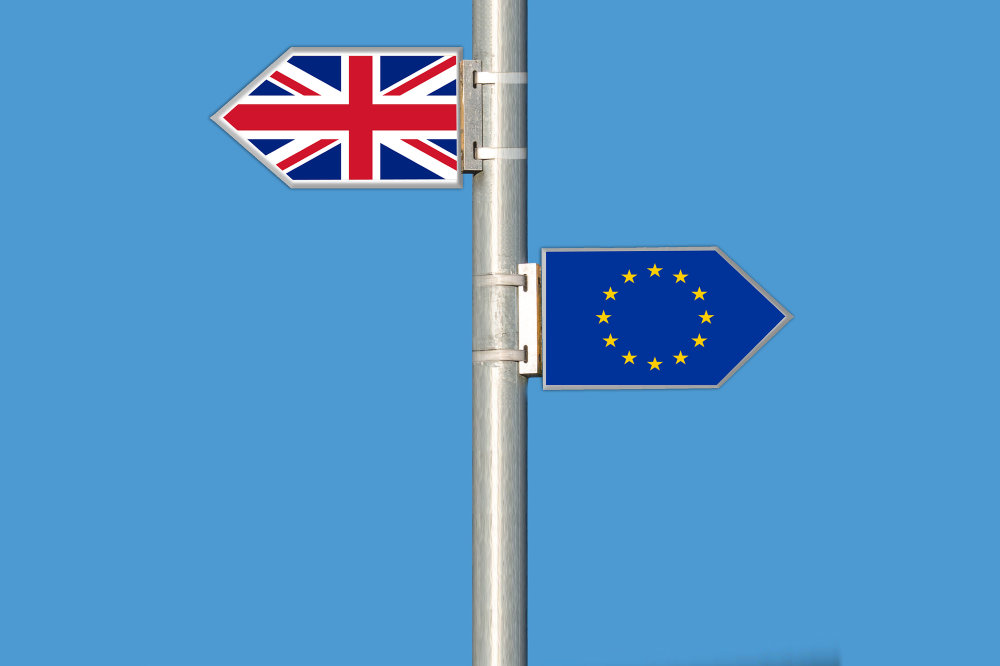
It’s been ten months since the end of the transition period and so far, the effect on health and safety has been minimal. Whilst in the EU our workplace H&S law was underpinned by the Health and Safety at Work Act 1974. This legislation originated in Britain and therefore remains unchanged.
That said, there are a few notable exceptions. Significant changes have occurred in three key areas, Chemicals, explosives and product safety.
While the new regulations around chemicals and explosives will, in practice, only apply to specific businesses, changes to product safety standards will have wider implications. From 31st December 2021, the old CE safety marking was scheduled to no longer be valid in the UK. It is being replaced by two new UK-specific safety standards.
This requirement has very recently been postponed for 12 months until 1 January 2023, following an industry petition. As we work towards that mandatory date you can purchase work equipment or machinery bearing either the UKCA (UK Conformity Assessed) or UKNI (UK Northern Ireland) mark, but the CE mark will also remain compliant. From 1 January 2023 onwards only the UK marks will be permitted.
If you need any guidance, we’re happy to help.
What does Natasha’s Law mean for your business?

The UK Food Information Amendment, also known as Natasha’s Law, came into effect on the 1st of October 2021 following a persistent campaign by Natasha’s’ parents. The new legislation requires food businesses to provide full ingredient lists and allergen labelling on all foods pre-packaged for direct sale on their premises. A previous loophole meant that businesses and organisations did not have to provide an allergen list for foods classified as pre-packed for direct sale (PPDS). The absence of such labelling led to the death of teenager Natasha Ednan-Laperouse, who died in 2016 after eating a baguette that contained sesame seeds.
If you make and sell food on your premises, you are likely to be affected by these changes. The PPDS category covers any food that is made onsite and packaged before it is given to the customer.
- Sandwiches and baked goods that are made in advance.
- Fast food that is packed before it is ordered, e.g. burgers kept under a heat lamp;
- Free samples that are given out in packaging;
- Meals prepared and pre-packaged in schools, hospitals and care homes.
All PPDS food must be labelled according to strict standards. Labels should include the name of the food and a full ingredients list. This must declare if any of the prescribed 14 allergens are present.
The law does not apply to food that is prepared and packed after it is ordered. Distance selling (selling takeaways online or over the phone) is also exempt from labelling requirements, but allergen information must still be provided.
These are big changes with high stakes. If you have any doubts, don’t hesitate to ask.
The HSE is still carrying out COVID-19 spot checks
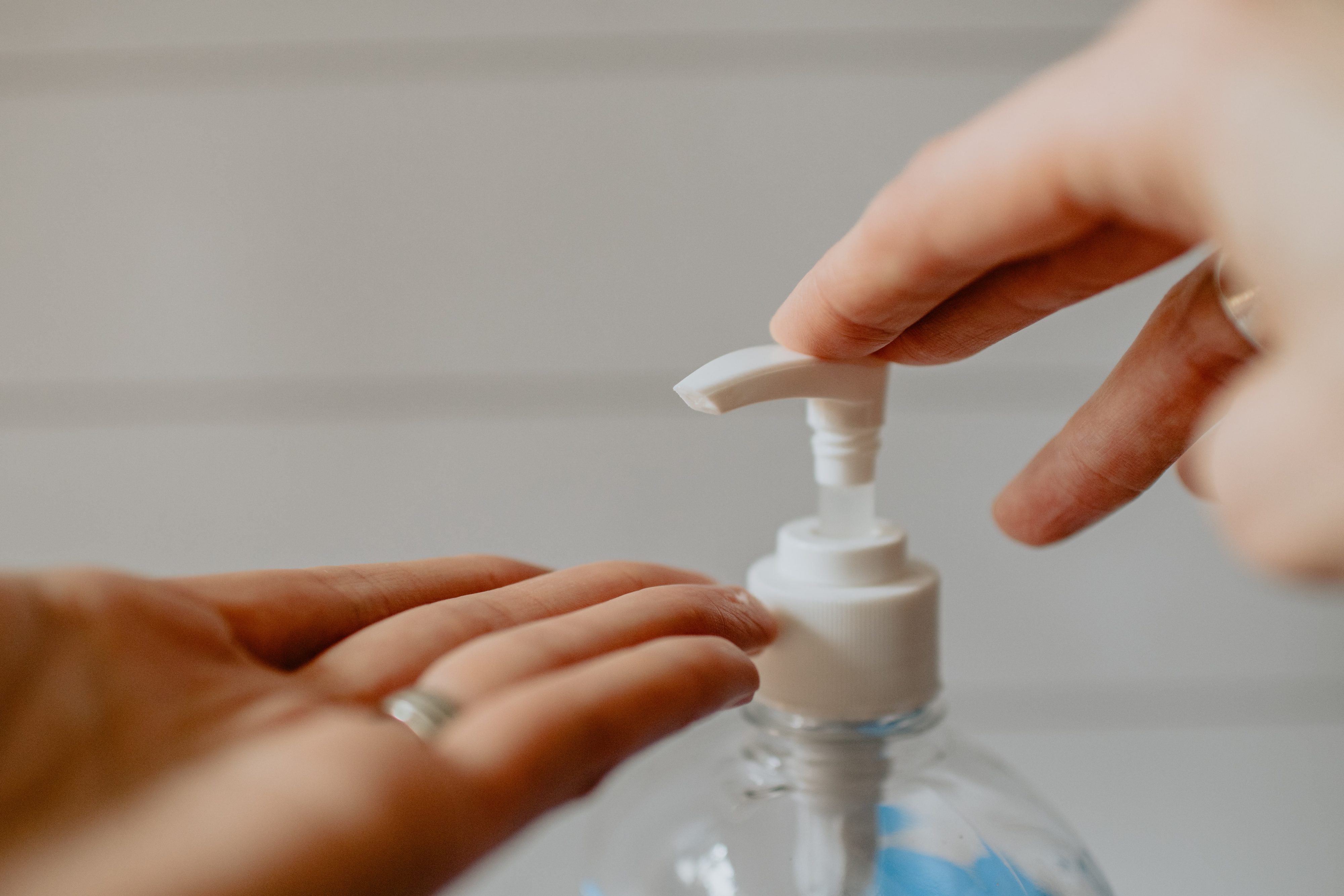
Despite nearly all pandemic restrictions being lifted in England (Scotland, Wales and Northern Ireland too, with certain variations) organisations still have a duty of care to keep employees and visitors safe.
To do this, it is important to keep your COVID-secure risk assessment up-to-date and maintain key control measures such as good hand hygiene, cleaning and adequate ventilation in occupied spaces. Continue to talk to your team as they can help you reduce risk effectively.
In order to ensure COVID-security is being implemented, the HSE is continuing to carry out spot checks on businesses. These may be done by calls or visits. They are not designed to catch you out, but to offer advice on keeping colleagues and customers safe. The HSE will support you in making any necessary changes, but may prosecute if you persistently ignore its recommendations.
The best way to prepare for a spot check is to stay on top of current events. Keep an eye on official guidance and update your risk assessment whenever things change. If you’re unsure of anything, don’t hesitate to give us a call.
Myth busters: Autumn edition

The examples of health and safety myths busted by a Health and Safety Executive panel are extensive and this month we have brought up two with an autumnal theme. As always, they highlight health and safety legislation wrongly being blamed for operational decisions within organisations. It is important to call out such instances as they diminish the positive impact that health and safety legislation should have in UK workplaces.
Pin the blame
In one autumn past, a customer at a Royal British Legion shop was refused a pin for their poppy “because of health and safety.” Given that people have been pinning poppies to their clothes for years without suffering any serious injuries, there is clearly no law to ban pins. The occasional pricked finger is to be expected, but this falls far short of being a legal issue!
Safety in numbers
The organisers of a public firework display in Winchester claimed that they had to limit spectator numbers “due to the ever-increasing health and safety regulations that we must adhere to.” This is clearly an attempt to shift the blame for an unpopular decision by the organisers. Despite the stereotypes, health and safety regulations are not “ever increasing.” If the firework display had grown in size then some extra safety precautions may well have been needed. Rather than blaming health and safety though, the organisers should have taken the time to explain this to the public before the event.


