Safety Matters October 2022
 The H&S Dept
COVID 19: Where are we at in the workplace?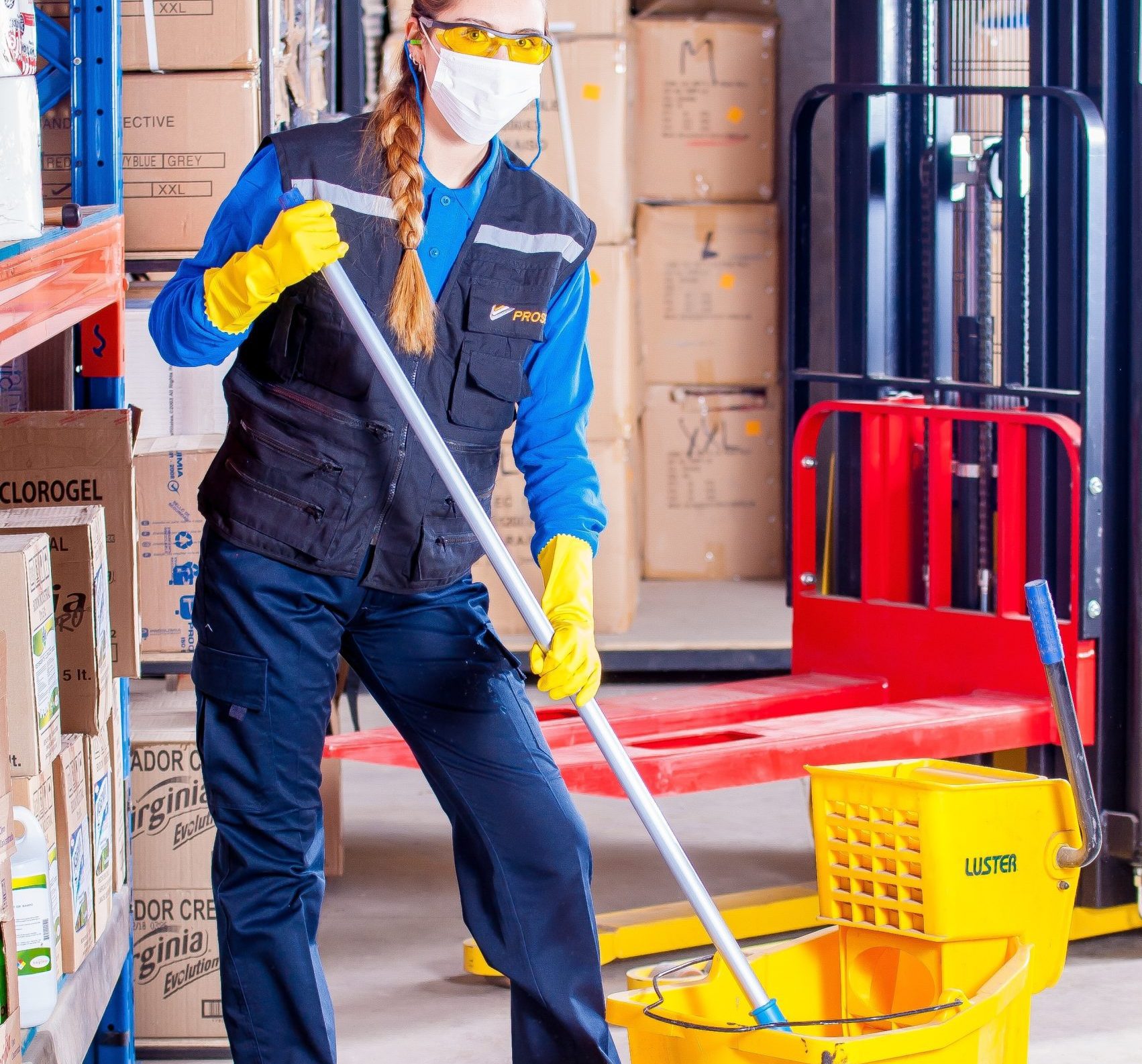
Earlier this year, the government withdrew the law requiring businesses to include COVID-19 in their risk assessments. This is an indicator that the worst of the pandemic has passed, but it doesn’t mean that the risk has disappeared completely.
There’s still room for a common sense approach to the virus. As we begin to spend more time indoors, it’s a good idea to remind yourself of the public health advice for workplaces:
- Allow sick employees to work from home if possible
- Improve ventilation by opening doors and windows
- Clean surfaces regularly, especially in communal areas
There are certain jobs where COVID-19 is considered an occupational hazard. If your employees care for infected patients or work with the illness in a research capacity for example, COVID-19 will fall under COSHH (Control of Substances Hazardous to Health 2002 Regulations). In this case, you must continue to include COVID-19 in your risk assessments.
RIDDOR (Reporting of Injuries, Diseases and Dangerous Occurrences Regulations) may also apply, but only in certain situations. There is no need to report workplace infections unless they are the result of occupational exposure, or occur as the result of a workplace accident.
England, Wales and Scotland each have separate advice for protecting people who may be at higher risk.
Is your business ready for bad weather?
Colder weather is on the way, bringing with it familiar seasonal health and safety challenges. Wind, rain, ice and darkness all have the potential to cause serious accidents, so it’s a good idea to review your risk assessments as autumn takes a grip. Here are some simple steps you can take to keep everyone safe:
- Make sure that there is sufficient lighting on all outdoor paths to illuminate tripping hazards. If necessary, walk the paths around your workplace at different times of day to check they are safe.
- Introduce procedures to remove dead leaves from paths at regular intervals.
- Install canopies or slip-resistant paving in outdoor areas.
- Put matting around entrances.
- Put up signs to discourage employees from taking shortcuts over grass or dirt.
- Keep a supply of grit on hand and use it whenever low temperatures are forecast.
For winter safety advice tailored to your premises, don’t hesitate to give us a call.
Safe systems of work: what you need to know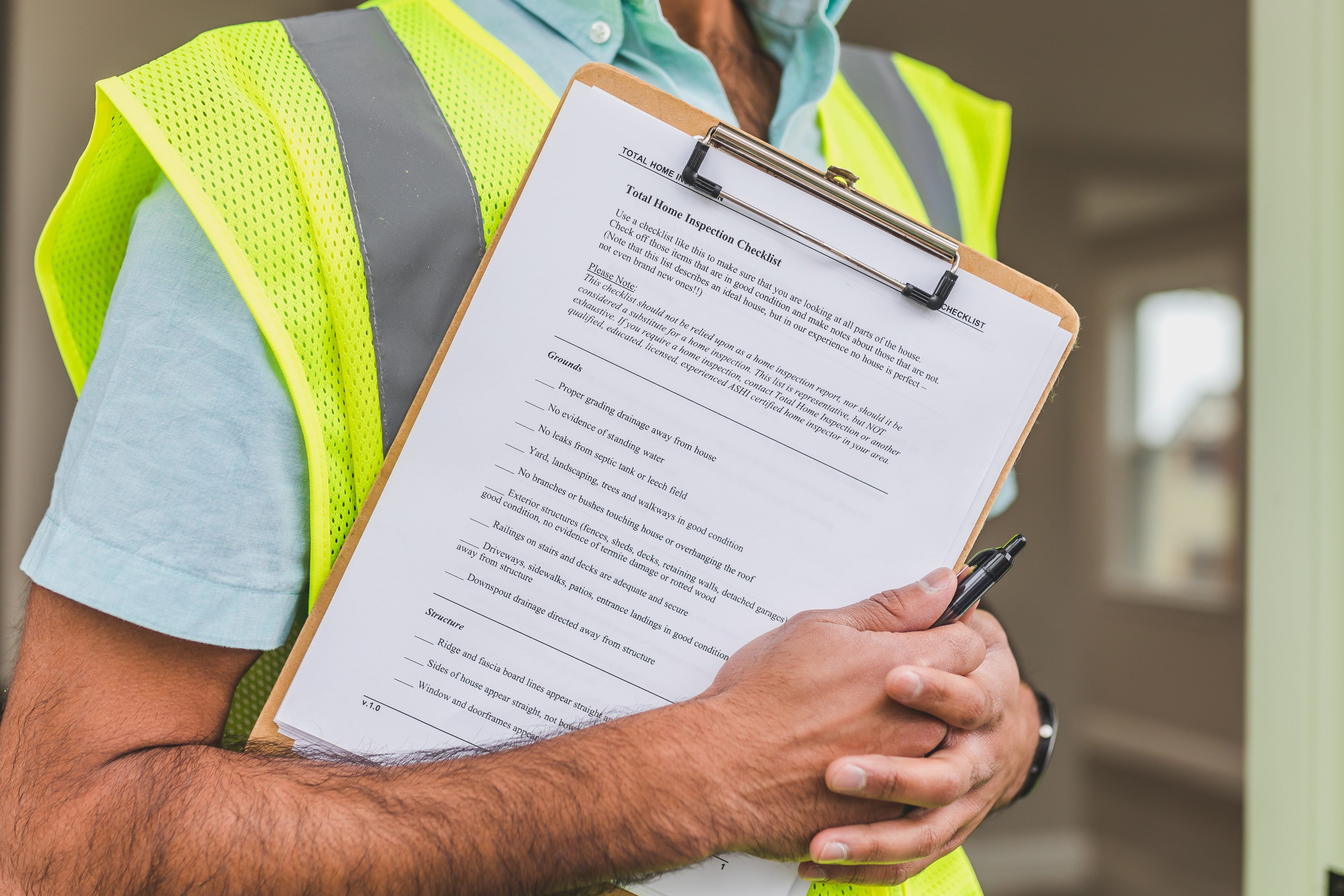
There are many reasons for accidents in the workplace, but a lack of preparation is a common theme. HSE investigations into serious injuries or deaths frequently cite the absence of a safe system of work (SSOW) in their findings. This often stems from the fact that an initial risk assessment was not completed properly.
In a recent example, a transportation company was fined £480,000 after a driver fell to his death from a lorry that he was unloading. The HSE found that the company had no safe system of work in place for working at height on vehicles. Because an insufficient risk assessment had been carried out, the dangerous nature of the task had not been identified. This meant that no precautions had been taken to reduce the risk.
In another case, a plastic manufacturing company was fined £200,000 after an employee suffered serious hand injuries while cleaning a piece of machinery. Once again, the HSE found that the company had failed to carry out a suitable and sufficient risk assessment or implement a safe system of work for the task.
We’re sure that you’re keen to avoid similar incidents, but you may be unsure of how to go about creating a safe system of work. You can think of an SSOW as part two of your risk assessment, applicable where a risk has not already been sufficiently controlled. Your first priority should be to eliminate risks completely but, in cases where this is not possible, this is where a safe system of work comes in.
For every task that carries a risk which cannot be reduced to a suitable level by the controls in the risk assessment, you should do the following:
- Identify each individual hazard associated with the task.
- Create step-by-step instructions for performing the task in the safest way possible, using annotated images and diagrams if necessary.
- Make these instructions easily accessible to all staff.
- Check that employees are following the guidelines and encourage them to flag up anything that could be improved.
- Update your SSOW if the nature of the task changes significantly.
You may find it useful to bring in outside help for this process. An external health and safety adviser can often spot risks that are hard to see from within a company. They may also find it easier to collaborate with your staff, as employees are sometimes more willing to raise concerns with a neutral party.
We have years of experience in creating and improving safe systems of work. Whatever your business, don’t hesitate to get in touch.
Health and safety training – don’t forget the basics
 Whatever your business, health and safety training is an essential part of the onboarding process. Companies working in high-risk industries will already have rigid training procedures in place, but other employers may be less sure of their obligations.
All employees should be given information on the hazards they might face, how to reduce these risks, and what to do in case of an emergency. If any of your employees use specialised equipment, you are also required to give them specialised safety training. An example of this would be a forklift driver working in your warehouse.
Remember that some employees might need extra training. Examples include:
- People changing jobs or taking on new responsibilities
- Young employees receiving health and safety training for the first time
- More experienced employees who have grown used to outdated safety procedures
- Employees in senior roles who have to manage the safety of others as well as their own
Training new recruits is vital, but it’s just as important to update the knowledge of existing staff. Regular refresher courses are a good start, but you should also be ready to provide spontaneous training whenever there is a major change in working conditions.
Finding the time for all this training can be challenging, but we can help. Our online learning portal offers accredited courses on everything from mental health awareness to display screen equipment safety. Our CPD-certified video courses provide essential information in 30 minute chunks, making it easy to fit them into the working day. Get in touch to find out more.
Myth busters: Public transport
After a summer of cancelled flights, rail strikes and ticket inflation, many people are at their wits’ end with public transport. Sometimes, people try to pin the blame erroneously on health and safety legislation. We want you to stay vigilant against H&S scapegoating, so here are some vintage public transport myths that have driven us to distraction.
Health and safety gets thrown under the bus
A bus driver refused to stop at certain stops along a diverted route. When passengers complained, the driver claimed that this was due to health and safety. This is a classic example of H&S being used as a catch-all excuse for disruption. Encouragingly, the bus company later promised that its drivers would start giving better explanations to passengers.
Just not fare
In a case that has cropped up several times over the years, non-travellers were told that they couldn’t access a railway platform to see off friends and family. There are a number of good reasons why a station might enforce this policy. It could have been an attempt to combat fare dodging, or an effort to reduce platform crowding at peak times. Whatever the reason, simply saying “health and safety” is not an adequate explanation.


