Safety Matters – October 2023
 The H&S Dept
Don’t forget to register your high-rise building
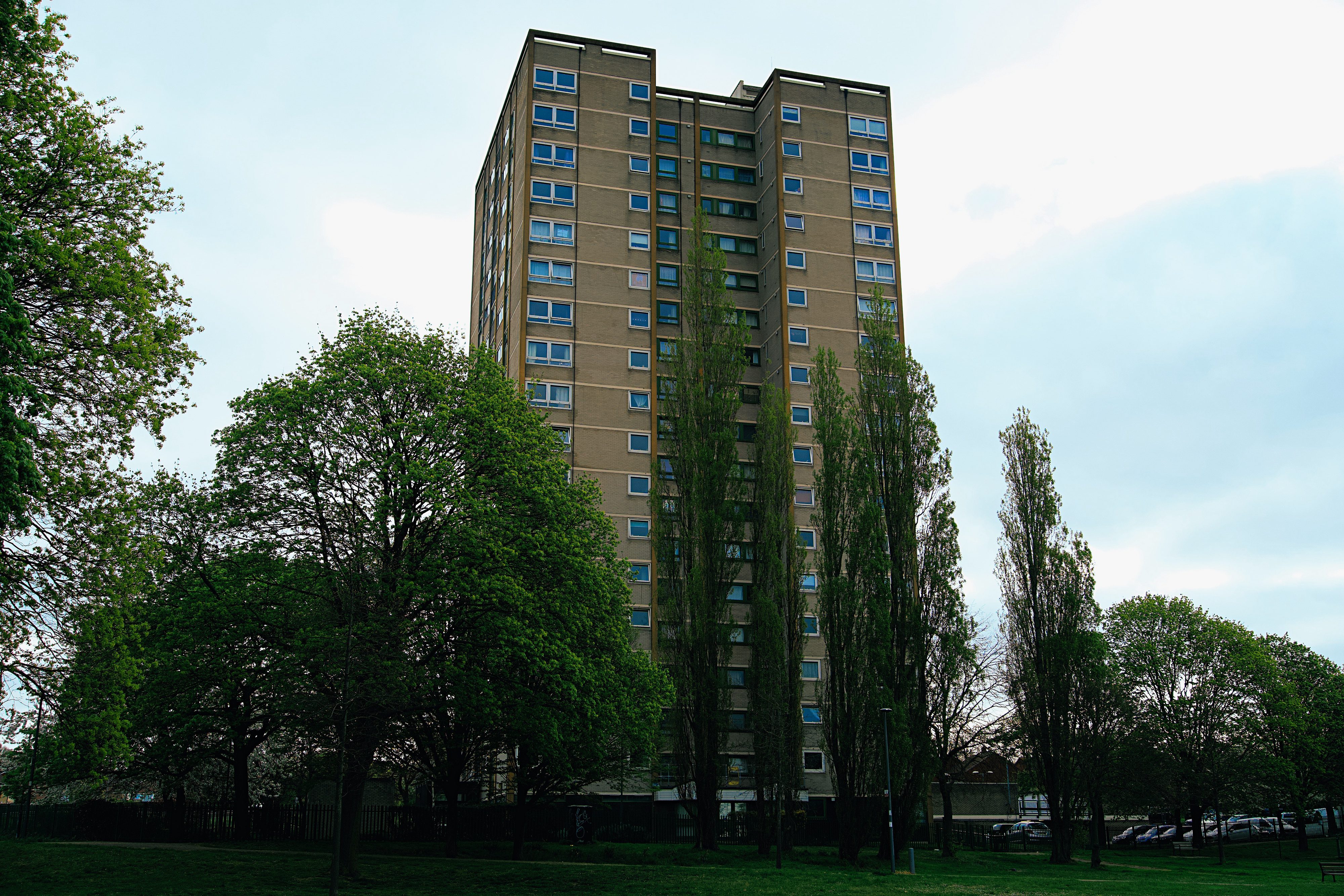
Last year, the government passed the Building Safety Act 2022. Along with a number of new safety measures, the law required all high-rise residential buildings to be registered with the Building Safety Regulator before 1st October 2023. This deadline has now passed, so any unregistered buildings should be registered as a matter of urgency.
The law applies to any building with at least two residential units that is either seven floors or 18 metres high. Hospitals, care homes, hotels and prisons do not need to be registered.
If this is relevant to you, the registration should be carried out by the Principal Accountable Person (PAP). This will usually be a local authority, housing association or private company, but an individual from the organisation must nominate themselves as the main point of contact for the Building Safety Regulator.
The registration process is fairly straightforward. Simply visit the government portal and input the building’s address, height, number of floors and the date it was completed. You will also need a debit or credit card to pay the £251 registration fee.
Failing to register is a criminal offence and could result in a fine or imprisonment. If you’re unsure about anything, don’t hesitate to get in touch.
Does your health and safety policy work in practice?

It’s one thing to create a health and safety policy, but quite another to enforce it. Unexpected events can always occur and, in the heat of the moment, employees may struggle to follow guidelines.
This was demonstrated by a shocking incident at a branch of Halfords. An employee was brutally attacked after confronting a pair of shoplifters. He sustained life-changing injuries which led to him suffering a stroke two days later.
A dispute has subsequently arisen between the employee and Halfords.
Unable to resume his career, the employee refused Halford’s offer of £16,000 in compensation, pointing out that the attack had left him permanently unable to work. The company argues that Scott is effectively responsible for his own injuries because he did not follow their policies. A representative for Halford’s explained their position:
“It is company policy not to attempt to retrieve stock or aggravate the situation and the claimant went directly against this policy, placing himself and potentially others at risk.”
Without going into all the nuances, it is a horrible situation all round; one in which there will be no winners.
It emphasises the need for absolute clarity when it comes to health and safety. Your company culture, expectations as an employer and clear communication all play an important role in keeping people safe – not just the risk assessments and policies.
Hold regular refresher sessions and make the latest safety information accessible to everyone. If employees are struggling with something in particular, consider arranging a toolbox talk. Give us a call if you need expert help.
RAAC – Is your workplace at risk?
Like us, we’re sure you’ve been following the RAAC story with some interest. Anything involving the safety of children is bound to stir up strong emotions but, thankfully, the danger seems to have been contained.
Over 98% of at-risk schools have now responded to the government’s survey, with 174 reporting the presence of RAAC. Emergency action is underway at these schools, and lessons have been moved to alternative settings in the meantime.
This will come as a relief to parents, but schools aren’t the only buildings at risk. If your premises were built between the 1950s and the 1980s, there’s a chance they may also contain the substance. Here’s what to look for, and what to do if you discover the presence of RAAC.
What is RAAC?
RAAC stands for Reinforced Autoclaved Aerated Concrete. It’s a form of lightweight concrete that contains bubbles of hydrogen gas. These increase its volume, allowing more concrete to be made from the same amount of mixture. Because of its cheapness, the material was used extensively by local authorities between the 1950s and the 1980s, especially in the construction of roofing panels for schools and hospitals.
Although RAAC is reinforced by steel, this steel is vulnerable to corrosion. This gives RAAC an estimated lifespan of just 30 years, after which it becomes unstable. This was demonstrated by the collapse of an Essex school’s roof in 2018, thankfully at a time when the building was empty.
How do I know if RAAC is present?
There is no central registry of buildings that contain RAAC, so it’s up to you to check your premises. Before you conduct a formal survey, you should ask yourself three preliminary questions:
- Was the building constructed between the 1950s and the 1980s?
- Are there any similar local buildings that contain RAAC?
- Is RAAC referenced in any records or plans from the time of the building’s construction?
If the answer to one or more of these questions is yes, you should call in a surveyor to check for RAAC. This is especially urgent if you’ve noticed excessive leaking or the pooling of water around your roof.
If the surveyor finds RAAC, the best course of action is to close the premises and have it removed. This may be disruptive, but it’s worth it to ensure the safety of your team.
If you have any questions about RAAC, or about building safety in general, we’re always happy to help.
Are your driving risk assessments up to date?

Every year, the insurance company Aviva publishes a list of the most dangerous times of day to drive. Curiously, the latest data shows that drivers are most likely to have a collision on Fridays between 3.00pm and 3.15pm, not rush hours as has been the norm.
A quarter of all accidents now take place between 2.00pm and 4.00pm, suggesting that the school run has become more dangerous than the workplace commute. This could be due to the rise of remote work, which may have reduced traffic volumes during traditional rush hours.
If you employ drivers, it’s important that your risk assessments reflect such findings so that they anticipate risk correctly.
Ensure that employees driving at peak times are well rested and have plenty of time to reach their destination. If their route passes a school, instruct them to be extra-vigilant in the mid-afternoon. Whenever your drivers are on the road, be sure that they are alert and taking plenty of breaks.
Service of the month: fire risk assessments
A fire risk assessment is exactly what the name suggests – a review of your premises designed to gauge the risk of fire. The law requires every workplace to conduct one of these assessments, to review it every 12 months, and to refresh it entirely after five years. For buildings with five or more occupants, these findings must be written down.
A fire risk assessment is a two-part process:
- Assess the building and record your findings
- Make a list of recommendations for reducing the risk.
The law requires every business to nominate a “responsible person” to take charge of fire safety. It is this person’s duty to ensure that fire risk assessments are carried out in a timely fashion, but they do not have to perform the checks themselves. This can be done by any “competent person”, and many businesses choose to bring in a specialist. This is a good idea, as a trained set of eyes can spot fire risks you may have missed.
Our experts have years of experience in performing fire risk assessments. We’ll assess your premises thoroughly and provide a detailed list of safety recommendations. Get in touch today to book a visit.


