Safety Matters Q2 2020
 The H&S Dept
Covid-19: updating your risk assessments
 With companies finding themselves in uncharted waters, many existing risk assessments will be rendered incomplete by the pandemic. So it’s important you review your risk assessments and update them in line with government advice on minimising the impact of coronavirus.
So what does a covid-19 risk assessment look like? As with any risk assessment, your covid-19 strategy should include facets like defining the risk, highlighting the people who are most vulnerable, laying out the steps that can be taken to minimise the risk, and assigning the responsibility for managing the risk.
For businesses where remote working is not an option there will be a general risk of spreading covid-19, and we’ll focus on that here as a useful example. You may also identify more specific risks that are relevant to your business. The content of your action plan will depend on your workplace, but there will be general actions that you should include:
Handwashing – In recent weeks, handwashing has gone from being a matter of basic hygiene to a matter of life and death. Your risk assessment should be altered to reflect this. Ensure that staff are provided with adequate handwashing facilities with soap, hot water and hand sanitiser. Paper towels or hand dryers should also be made available. Employees should be reminded to wash their hands regularly, both verbally and through the displaying of posters and leaflets if possible.
Social distancing – The public are being advised to minimise contact with others to prevent the spread of covid-19. A two-metre gap should be maintained between staff members, which might mean altering your ways of working to reduce the number of people on site. Your risk assessment may include strategies such as changing shift patterns and encouraging home working to reduce contact between staff. Employers should regularly remind employees of the importance of social distancing and check that the two-metre rule is adhered to.
Protective equipment – Although gloves and masks are not recommended as a general precaution, they are necessary in some industries. If RPE (respiratory protective equipment) is required, your risk assessment should reflect the need for masks to be tight-fitting and properly cleaned. Staff should be taught how to correctly disinfect protective equipment, and how to remove gloves in a way that prevents contamination.
Don’t be afraid to ask for help. If you have any questions about designing or implementing a covid-19 risk assessment, get in touch today.
Retail: Thinking beyond the shop floor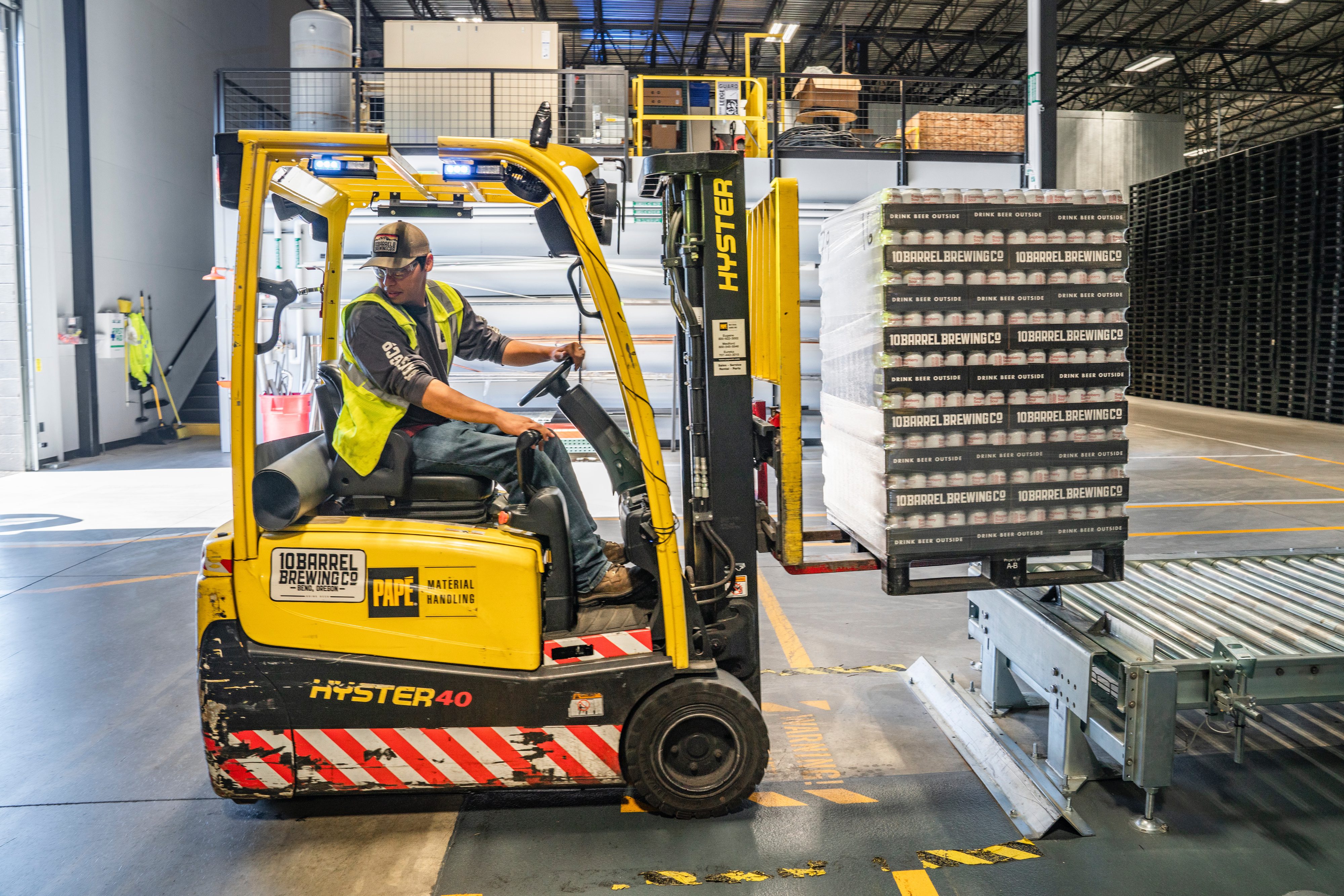
With almost all retail given permission to open for business, the size of the task of getting COVID-secure is becoming apparent. In a retail setting, much of the focus is on the shop floor and managing interactions with customers safely. Don’t neglect your supply chain from your COVID-19 risk assessment though.
In one sense this will be simpler, because you don’t have the X-factor of dealing with the public. But there are still human interactions to manage, and as with everything else social distancing and good hygiene practices should be at the heart of what you do.
What your plan includes will depend on the nature of your premises. In terms of the physical environment, review where drop-offs and pick-ups are made. Is it the best place available to you for managing social distancing? Have hand sanitiser available here and clear signage explaining how deliveries should be carried out.
From a staffing perspective, can deliveries be managed by one person? Or if not, have a dedicated pair or team of people to perform the task to reduce the number of possible interactions. If it is safe to do so, you may consider asking delivery drivers to stay in their vehicles, although you should also provide them safe access to welfare facilities if they need them.
Another quick win which may be possible is to streamline the number of deliveries you receive by ordering larger volumes less frequently. Taking the time to consider every step you can take to make your workplace safer is essential. As the nation’s largest retailer states: Every little helps.
How to look after your employees mental health when they are working from home
 In just a few short weeks, the covid-19 outbreak has transformed us into a nation of home workers. Many employers have found themselves thrown in at the deep end, suddenly faced with the challenges of managing a remote workforce. Health and safety considerations are a part of this.
While managing physical risks is an important aspect of remote health and safety, it is also vital to consider the effects of lone working on your employees’ mental health. Feelings of isolation and an absence of clear lines of communication can be damaging too. So keep an eye out for red flags.
If you have more than five employees, update your written risk assessment to reflect this. Frequent contact is a must. Regular conference calls between you and staff are a great way to check up on the well-being of your employees and maintain a sense of team spirit while you are separated. And also encourage collaboration between team members to reinforce this.
Tools such as Zoom and Microsoft Teams make this easier than ever. Even if, as viral social media posts have shown us, you do run the risk of turning yourself into a potato or making some other faux pas by not understanding how fun filters and virtual backgrounds work. You do not have to include this in your risk assessment!
Relaxed driver hour regulations – but H&S still applies
 As the covid-19 outbreak continues, delivery drivers have become more important than ever. With panic buying and staff illness leading to shortages of many essential supplies, the government temporarily relaxed EU and UK laws covering the hours that drivers can work. These changes allow drivers to work longer shifts if they are delivering food, personal care products, or pharmaceutical supplies. While many drivers will be keen to pitch in, as an employer your health and safety obligations still apply.
This is something that the government and HSE have emphasised.
Existing risk assessments dealing with driver fatigue are still applicable, but you may need to update them to address the risks of extended hours. If drivers are working longer shifts and taking shorter breaks, you must acknowledge the increased risk and find ways to mitigate it. It is important to remember that driver fatigue isn’t just a threat to the driver; it puts all road users at risk.
All the relaxations are temporary and under review. While some may have already expired, they demonstrate how risk assessments must be seen as adaptable to be fit for purpose. If you have any questions about updating or implementing your risk assessments in light of covid-19, don’t hesitate to give us a call.
Mythbusters: Covid-19 edition
 Some companies are only too keen to use health and safety legislation as a scapegoat for their own unpopular decisions. The HSE has long been a defender of H&S integrity by dispelling such misconceptions. Here are a couple of previous examples that are especially relevant to the covid-19 outbreak.
The postman always texts twice
As key workers, delivery drivers are on the frontline of the fight against covid-19. A few years ago, a courier claimed that its drivers were not allowed to carry mobile phones due to health and safety legislation. This is untrue. Under the Road Traffic Act, couriers are subject to the same laws as any other motorists. They can use a mobile phone at the wheel but only with a hands-free device.
Buying paracetamol can be a headache
Since it was announced that paracetamol can be used to treat the symptoms of covid-19, there has been a distinct lack of it on our shelves. In January 2013, a supermarket customer was told that they couldn’t buy three packs of paracetamol at once “because of health and safety”. While UK law does limit the amount of paracetamol or aspirin that can be purchased in a single transaction, this has nothing to do with health and safety legislation. The law is governed by the MHRA (Medicines and Health Care Products Regulatory Agency) and is intended to prevent overdosing.


